Venue:
Winston 3C clear filter
arrow_back View All Dates
8:30am EDT
From First Hello to Final Goodbye: Building Student Belonging That Sticks
Wednesday June 10, 2026 8:30am - 9:30am EDT
Presenters 
Principal, Cabarrus Early College of Technology
Vance Fishback is a veteran educational leader with more than 30 years of experience in public education with a strong background in
Early College High School design, launch, and leadership. He has served the last 10 years as the
Founding Principal of the Cabarrus Early College o...
Read More →
Wednesday June 10, 2026 8:30am - 9:30am
EDT
Winston 3C
12:40pm EDT
The Power of Near-Peer Instruction: How NEON Teaching Fellows Can Transform Next Generation Early Colleges
Wednesday June 10, 2026 12:40pm - 1:40pm EDT
Presenters 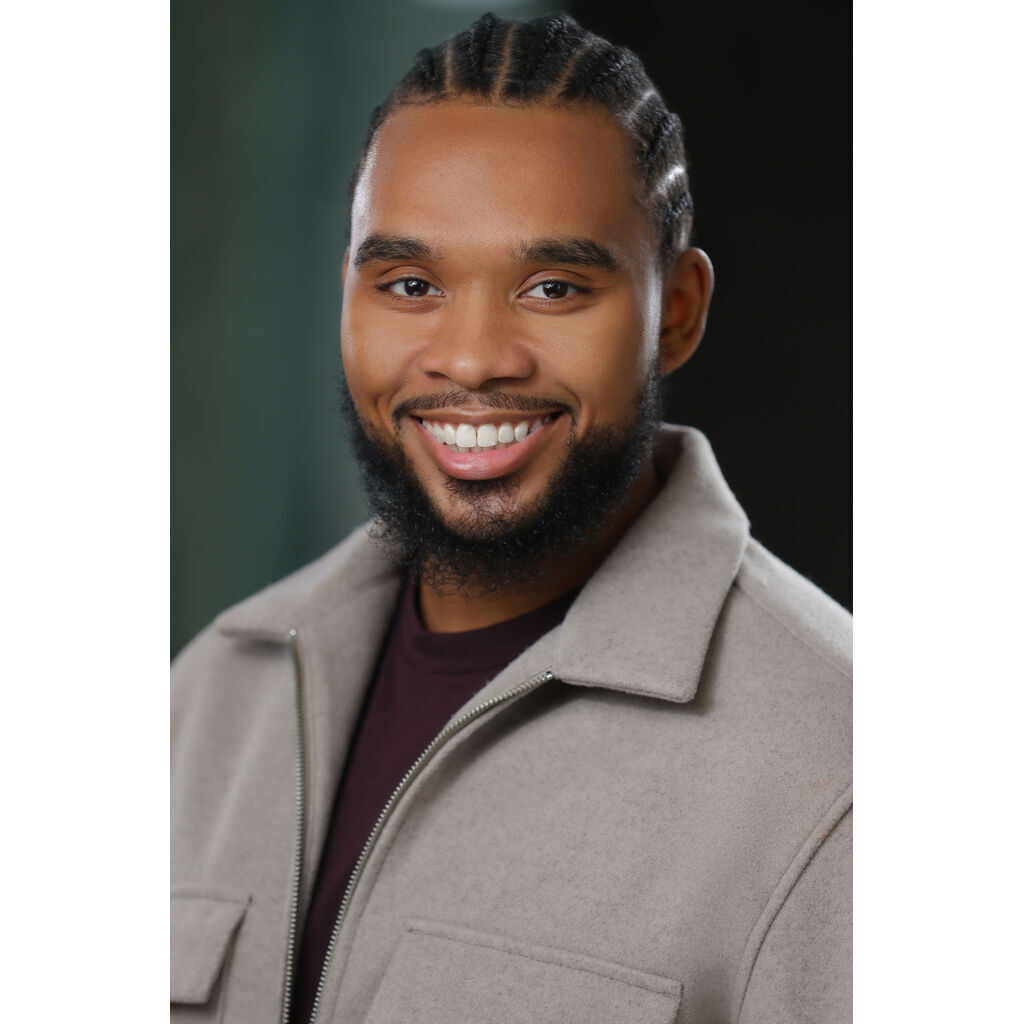
Teaching Fellow, National Education Opportunity Network (NEON)
I’m Shawn Brooks Fletcher, a creative and advocate pursuing my Master of Fine Arts in Acting at the Savannah College of Art and Design (SCAD). A proud graduate of Morehouse College, I earned my BA in Sociology where I strengthened my commitment to justice, research, and community...
Read More →
Director of School Opportunity, National Education Opportunity Network (NEON)
Dr. Lisle Smart serves as the Director of School Opportunity at the National Education Opportunity Network (NEON), where she leads strategic partnerships with school systems nationwide to expand access to college credit-bearing courses for students in historically underserved communities.Before...
Read More →
Wednesday June 10, 2026 12:40pm - 1:40pm
EDT
Winston 3C