RTI International will host the 2026 Early College Summit on June 9–10, 2026 at the Benton Convention Center in Winston-Salem, NC. This two-day event for early college leaders and program teams will focus on research-based early college and dual enrollment strategies to improve practice and support student success in rigorous learning environments. The Summit is designed so that veteran and new early college practitioners and college partners can collaborate to learn and share expertise to improve learning and student outcomes. Join us as we strengthen our capabilities to empower learners for future ready success!
Student performance rightfully consumes us, but as state tests have fallen away from certain subject areas and data with them, how do we measure and track growth?
Teacher, Brunswick County Early College High School
I am completing my 22nd year of teaching high school social studies here in North Carolina and I currently live in Myrtle Beach, S.C. I grew up in Halifax County before attending UNCW and returning to that area to teach at SouthWest Edgecombe High School in Edgecombe County. After... Read More →
Tuesday June 9, 2026 10:45am - 11:45am EDT Salem 3A
This session will present some of the latest research on the impact of early college on postsecondary performance and on employment and earnings. The audience will then be able to engage around several leverage points that research suggests will further improve outcomes: 1) serving students for whom early college makes a difference; 2) keeping students in the early college; 3) providing varying pathway options; and 4) supporting the social/emotional development of students.
Director, Early College Research Center, Early College Research Center, University of North Carolina at Greensboro
Dr. Julie Edmunds is Director of the Early College Research Center at the University of North Carolina at Greensboro, where she leads a team doing research on the early college model, dual enrollment, career pathways, and efforts to increase postsecondary access and success. She has been studying early college and dual enrollment for over two decades... Read More →
The power of any network lies in building strong connections among members. During this role-alike networking session, join peers and colleagues to connect around role-alike discussion of topics important to your work in the early college ecosystem through a facilitated networking conversation.
As early college and dual enrollment programs expand nationwide, states face a critical question: how do we scale access and outcomes without fragmenting efforts or pitting institutions against one another? This session explores how collaboration, rather than competition, serves as a foundational strategy for launching and sustaining effective statewide early college initiatives.
Grounded in research, policy analysis, and examining national leaders this session will examine how cross-sector collaboration among K–12 systems, community colleges, universities, and state agencies can strengthen pathways and produce measurable gains in postsecondary access and success. Participants will engage with data-informed practices and policy considerations that support cohesive systems, equitable student outcomes, and long-term sustainability.
During this collaborative workshop, participants will explore the systems of support across partner institutions, mapping their networks and intentionally structuring problem-solving teams that include college and high school partners. Session leaders will bring their experiences as both a long-standing member of the early college team and a new early college principal, providing unique insight into what works along with opportunities to identify and overcome barriers to collaborative approaches for student success. Session attendees should bring a student support challenge they are currently facing to analyze with a small group. While we welcome individuals, please come with your team if possible.
Dr. April Burko is an educator with 15 years of experience spanning classroom instruction and school leadership, including roles as a high school social studies teacher, instructional coach, assistant principal, and middle and high school principal. She currently serves as the principal... Read More →
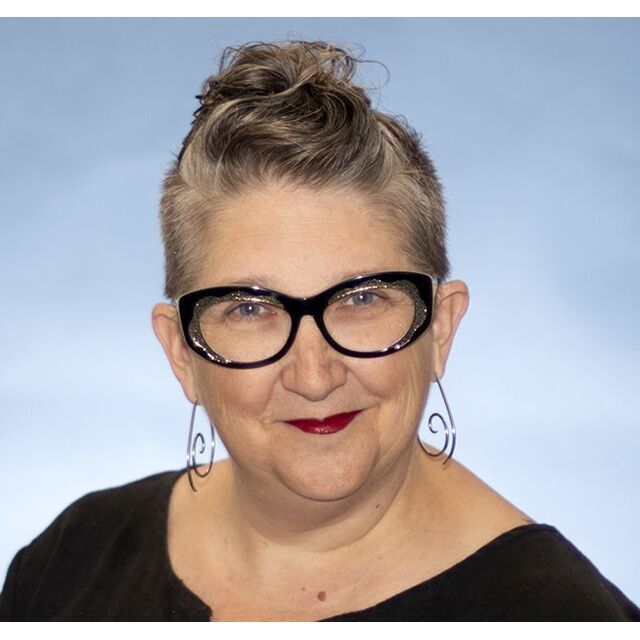
Early College Liaison/Instructor, Anthropology, Central Carolina Community College/Chatham Early College
Fae Grace Goodman holds a split position at Central Carolina Community College, where she is the Early College Liaison for Chatham Early College, and an anthropology instructor. She has been with CEC since its students began taking college courses, serving as their college liaison... Read More →
Wednesday June 10, 2026 9:45am - 11:15am EDT Salem 3A
How can we design learning experiences that move beyond compliance to true transformation? This session highlights a year-long Junior Seminar project aligned to NCDPI’s Portrait of a Graduate competencies. Participants will examine a scaffolded framework featuring planning, product creation, community outreach, reflection, and feedback cycles. Through interactive protocols and a mini project-sprint, attendees will actively design elements of their own capstone experience. Participants will leave with a customizable blueprint for implementing a Portrait of a Graduate aligned project that fosters communication, collaboration, critical thinking, growth mindset, and personal responsibility in early college students.How can we design learning experiences that move beyond compliance to true transformation? This session highlights a year-long Junior Seminar project aligned to NCDPI’s Portrait of a Graduate competencies. Participants will examine a scaffolded framework featuring planning, product creation, community outreach, reflection, and feedback cycles. Through interactive protocols and a mini project-sprint, attendees will actively design elements of their own capstone experience. Participants will leave with a customizable blueprint for implementing a Portrait of a Graduate aligned project that fosters communication, collaboration, critical thinking, growth mindset, and personal responsibility in early college students.